Our strategy
This strategy is inspired by the kōrero that was captured by the working group from many of our Māori individuals, whānau, businesses, iwi, hapū and through marae engagement across the region. We hope to have embodied the many aspirations and intentions, to create a platform for our region to move forward, together.

VISION
Mahia te kaheru matarau –
Utilise the spade of a hundred blades
Te Matarau is a multi – pronged spear used by Māori to catch as many fish as possible. Te Matarau holds onto the spirit of Māui seeking out new opportunity through the fishing metaphor, while realising that we need multiple strategies, programmes, and solutions to create Māori economic futures moving into the next 20 years.
Note for readers in 2026
Te Matarau a Māui was established to implement Te Matarau: Collaborative Pathways to Māori Economic Futures — the first regional Māori economic development strategy of its kind for Te Ūpoko o Te Ika. Developed through extensive community engagement with mana whenua, Māori businesses, rangatahi, and regional partners, the strategy set out a bold vision for what a thriving Māori economy in Greater Wellington could look like.
The strategy was built to last. Its core principles remain as relevant today as when it was written. We are currently refreshing the strategy to reflect where we are now and where we are heading, but the foundation it laid continues to guide everything we do.
You can read our foundational strategy below.
Kaupapa tuku iho
These values are embedded in our programmes, relationships and governance, ensuring we
uphold tikanga in all aspects of our work.
Whainga
The next level in our strategic framework are the goals we aim to achieve ensuring that the mahi Te Matarau a Māui does is rooted in Māori identity and aimed at long-term transformation for Māori communities.
.png)
Tuku Ihotanga
Preparing for the future through intergenerational development and growth.

Whānau
Healthy and prosperous whānau ensuring healthy and prosperous communities.

Mātauranga Māori
Acknowledging and integrating Te Ao Māori knowledge and worldviews.

Tino rangatiratanga
Māori self determination to pursue a way of life that provides value and meaning.
Mana whakahaere
Empowering Māori through shared responsibility, accountability and leadership.
Pou matua
These pou provide the foundation for designing and delivering initiatives that respond to
local needs while unlocking regional and national opportunities.

Whai Pūkenga
Growing Māori capability through intergenerational learning and business skill-sharing
Whai Rawa
Activating support systems for pakihi Māori through relational infrastructure
Whai Mana
Empowering a new generation of Māori business leaders, grounded in tikanga and supported by whānau

Whai Kaha Hapori
Offering a culturally safe, supportive space for whakawhanaungatanga and hauora
Key enablers
- A strong implementation structure with the right people and networks
- Good quality data and robust data analysis
- Leadership from enablers and other stakeholder organisations
- Collaboration and a long-term perspective
Strategy implementation
The focus of this strategy is on regional collaboration and leveraging sub-regional strengths – it relies on enablers coming together. An implementation committee, will be established to take the strategy forward, identifying partners to lead on key strategic actions. Some of the critical success factors relevant across all actions to ensure successful implementation are highlighted below.
A strong implementation structure with the right people
The rōpū that takes the strategy forward will work across the region, with institutions, organisations, and iwi. This requires a diverse skill set, political and economic nous, and leadership. This strategy has a focus on business and rangatahi, so it is envisioned that the implementation structure will reflect this.
Flexibility and adaptability
This, the first strategy of its kind for the Wellington Region, begins its implementation in times of heightened change and uncertainty. Furthermore, it is seeking to address the opportunities and challenges across diverse communities and interests. Implementation therefore needs to be iterative – ensuring there is the flexibility to change tack throughout the lifetime of the strategy while being adaptable in order to address the complex and diverse realities at play.
Good quality data and robust data analysis
Outcome and process measures will be established by the implementation committee in partnership with enablers for each action. Therefore creating a framework for the collection, analysis, distribution and storage of data is necessary.
Leadership from enablers and other stakeholder organisations
As with the development of this strategy, implementation requires input, commitment, leadership and direction from the primary stakeholders – Māori.
Buy – in from our Māori community requires champions at the leadership level, whether these are iwi organisations, public sector organisations, local and central government, Māori business networks and businesses. This will ensure the Māori voice has advocacy across all sectors and industries and will help to: fill in the gaps; amend systems where it is not working; and to identify where outcomes could be improved for Māori.
Rangatahi
Current and future demographics and the imperative of capacity building for success on many fronts means a major focus needs to be on empowering rangatahi. They present the most significant challenges and opportunities for intergenerational change, closing the major gaps, and improvements in Māori prosperity.
Collaboration
The primary purpose of this strategy is better coordination leading to better outcomes through working together. Collaborative relationships take time to develop trust and expectations but will provide a more inclusive region for us all. The goal is to establish partnerships, working relationships and collaborations at the local, regional, national and international levels; to gain new perspectives, share learnings and adopt best practise as the norm. Whaia te iti Kahurangi, ki te tuohu koe me he maunga teitei.
Key opportunity areas
Iwi, Māori collectives and Māori business growth
The transfer of assets from Treaty of Waitangi settlements continues to enhance the platform for iwi economic evelopment. As partners with the Crown, there are numerous opportunities to deliver positive impact to Māori in Te Upoko o Te Ika. Alongside iwi, Māori businesses and collectives also have a critical role as vehicles to generate sustainable growth through effective utilisation of Māori assets and people in ways that are consistent with te ao Māori. Existing Māori SME’s and entrepreneurs need targeted support and new clear pathways to rapidly expand the next generation of young Māori entrepreneurs.
Key actions
- Establish greater regional social procurement capacity and processes to facilitate Māori job creation
- Promote Māori ‘Business to Rangatahi’ B2R networks
- Empower Māori business networks to deliver value to their members
- Support iwi strategies and enabling of settlement developments
- Establish a Māori business incubator and accelerator
- Develop a more cohesive Māori business support service to nurture and grow Māoripreneurship
- Develop and support key Māori industry strategies for the region, starting with Tourism and IT/Technology
Key outcomes
- Iwi organisations and Māori businesses are key drivers in the local, regional and national economy.
- Māori respond to the opportunities presented by key industries.
Drivers and enablers: Māori business networks, iwi, Māori businesses and organisations, Chamber of Commerce, Wellington NZ, New Zealand Trade & Enterprise (NZTE), Ministry of Business, Innovation and Employment (MBIE), Te Puni Kōkiri, Wellington Region FOMA, Māori Womens’ Development Inc.
Measures of success
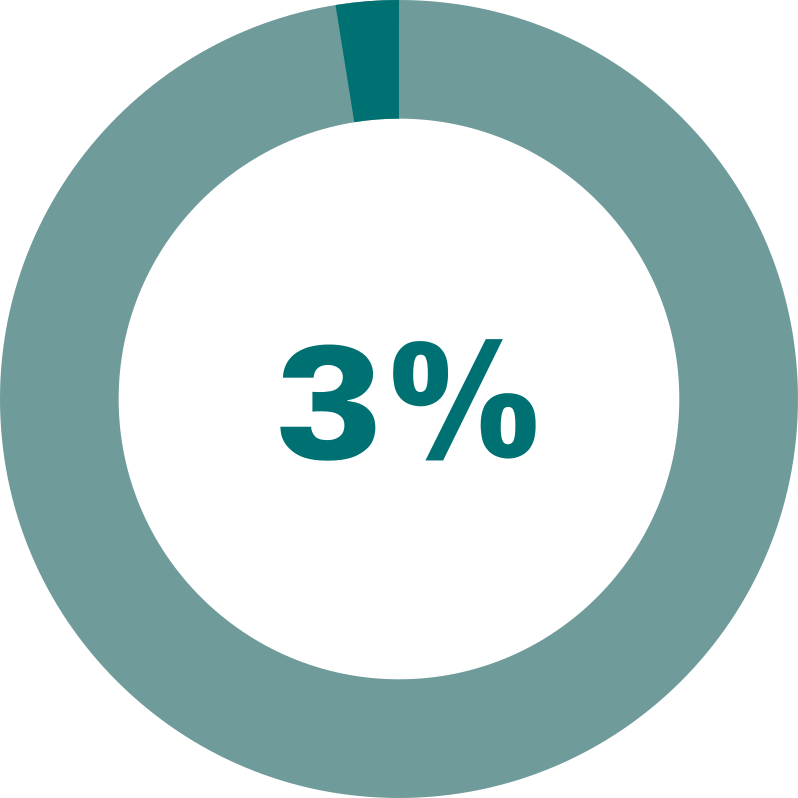
Minimum of 3% total contracts by local and central government across the region are held by Māori businesses

50% of all Māori businesses are connecting with rangatahi either via internships, work experience, mentoring

Sustainable funding established for all active Māori business networks across the region
All iwi have management plans of their own making and have working relationships across sectors and industries to enable achievement

Sustainable pathways for successful Māori business startups and entrepreneurs established

Sustainable funding for Māori economic development with successful collaborations across local and central government

Māori strategies in place and operating for tourism and IT/Technology
Investing in education, training and employment for Māori
The economy in the Wellington Region has a highly skilled workforce when compared to the rest of the country. Despite this, Māori are generally operating in lower skilled jobs, in traditional industries, leaving them vulnerable to economic changes and shocks – with women and young people being particularly vulnerable. Māori performance in education requires a significant shift to enable our rangatahi to be able to compete in an increasingly automated, globalised and diversified economy. With a large and growing youthful populationin the region, the Māori share of the working age population will grow in the coming years. We need to invest in education, skills development and employment opportunities to enable rangatahi to reach their full potential.
Key actions
- Develop and facilitate rangatahi education, entrepreneur and employment pathways programmes, with a focus on key future industries
- Support implementation of succession plans for rangatahi to increase capacity of iwi and Māori collectives
- Establish more internship and work experience opportunities for rangatahi
- Establish and promote Māori mentoring/ leadership programmes
- Deliver more kaupapa Māori Financial Literacy programmes
- Develop a high-skills pathway strategy for Māori at school
- Develop a high-skills transition strategy for Māori career change seekers
- Establish a ‘reset’ training programme for Māori whose employment has been adversely impacted by COVID
Key outcomes
- A skilled and successful Māori workforce who contribute to their community and pursue their aspirations.
- Rangatahi follow clear education and training pathways to employment
Drivers and enablers
Trade training providers, schools, polytechnics, universities, ITO’s, Māori business networks, wānanga, sector industries, Wellington NZ, Tertiary Education Commission, Ministry of Education
Measures of success
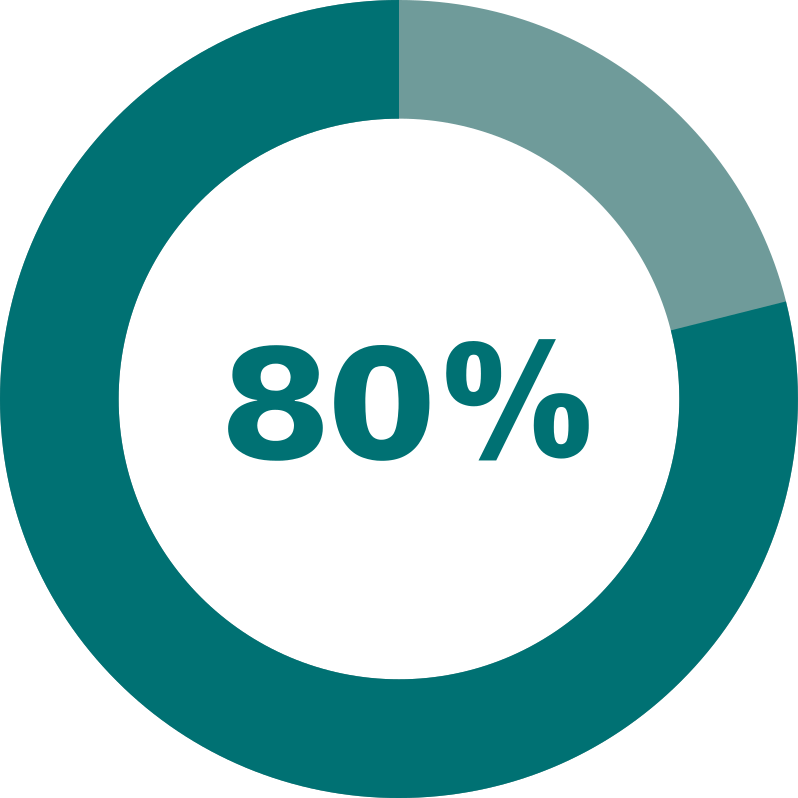
80% of rangatahi are in education, self-employment/employment, care work or volunteering.
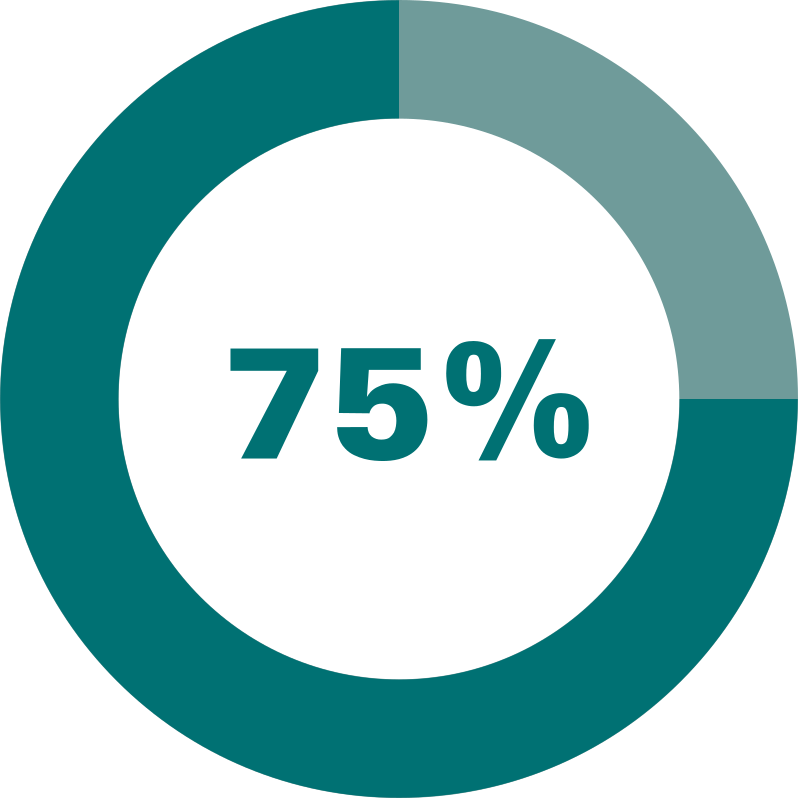
75% of Māori organisations including iwi have succession planning occurring within their organisations and across work programmes
Partnerships between iwi and local/central government are strengthened due to internship and employment opportunities opening up for rangatahi
All rangatahi are given an opportunity to apply for a kaupapa Māori mentoring or leadership programme
Financial literacy programmes focused on Māori have led to an increase in budgeting and savings by Māori whānau
Schools are effectively aligned with tertiary education opportunities and promoting Māori through clear pathways to education and training
All iwi provide opportunities for career change insight for their people into high skills opportunities
Māori employment levels are higher than pre-COVID and more Māori have transitioned into more skilled areas of work
Innovative infrastructure and information
Mā te whakātu, ka mōhio, mā te mōhio ka mārama, māte mārama ka mātau, mā te mātau ka ora-with discussion comes knowledge, with knowledge comes light and understanding, with light and understanding comes wisdom, with wisdom comes wellbeing. To become a more connected and knowledgeable region we need to have access to good data. This in turn will highlight gaps, identify opportunities for investment and inform better decision making.
In order to grow creativity, innovation and business, irrespective of where you live or work across the region, there is a need for reliant and resilient infrastructure. There are many opportunities underway within our region including new roads, housing developments, water restoration and allocation and 5G networks. Advocacy is key in this area to ensure that our Māori communities are considered in the development and integration of key infrastructure.
Key actions
- Develop and facilitate rangatahi education, entrepreneur and employment pathways programmes, with a focus on key future industries
- Support implementation of succession plans for rangatahi to increase capacity of iwi and Māori collectives
- Establish more internship and work experience opportunities for rangatahi
- Establish and promote Māori mentoring/ leadership programmes
- Deliver more kaupapa Māori Financial Literacy programmes
- Develop a high-skills pathway strategy for Māori at school
- Develop a high-skills transition strategy for Māori career change seekers
- Establish a ‘reset’ training programme for Māori whose employment has been adversely impacted by COVID
Key outcomes
- Across the region Māori know who, what, why and how to participate and collaborate in the Māori economy.
Drivers and enablers
Iwi, Māori business networks, WellingtonNZ, Te Puni Kōkiri, Kāinga Ora, Te Tumu Paeroa
Measures of success
A collection of local and regional stories is in place for Māori to learn from and celebrate.
There is an established database of Māori businesses and organisations easily accessible to Māori that is regularly updated and used on a weekly basis by the community to procure goods and services.
We have reduced by at least 25% the home ownership rate gap between Māori and non - Māori (currently 22%), with more papakāinga established throughout the region.Sustainable funding established for all active Māori business networks across the region
A stocktake of all Māori land is in place, a minimum of 10% previously not under governance is now ready to take on development is some shape or form.

The employment rate is on-par with non-Māori.
All Māori whānau have access to clean running water and have the opportunity to connect to the internet from their homes.
Strong Māori communities
As an indigenous nation, who are we without our culture? For too long the cumulative intergenerational impacts of colonisation, land loss, cultural suppression, forced impoverishment and institutional racism, has negatively impacted the potential of Māori. In the past few decades we have had a cultural renaissance, and it is growing due to the strong foundational support of kōhanga reo, kura kaupapa and wānanga. Re-indigenising our world can only strengthen our unity and self-determination to succeed in economic prosperity and intergenerational wealth creation.
Kaitiakitanga as a core value and inherent of our deeper connection to Papatūānuku and her tamariki, is our imperative to better manage and care for our taiao which needs to be enabled through rangatiratanga.
Key actions
- Create intergenerational pathways to whānau prosperity
- Marae support and development
- Reflect Te Ao Māori in our places and spaces
- Enable more accessible te reo learning opportunities
- Increase use of mātauranga Māori as part of the solution to communitychallenges
- Better support and promotion of kaupapa Māori events across the region
- Establish a Māori Regional Ōhanga Āmiomio (circular economies forum)
- Enable kaitiakitanga – Māori participation in land use and development
Key outcomes
- Our Māori culture is seen, heard and felt across our region.
- Māori communities are connected and capable.
Drivers and enablers
Te reo providers, marae, Te Puni Kōkiri, local government, NZ Māori Tourism, Wellington NZ, MBIE, MPI, regional Māori business networks, Ministry for the Environment, NZ Tech, Callaghan Innovation.
Measures of success
There are clear pathways that are being utilised by whānau to achieve prosperity
Marae are receiving income to sustain ongoing maintenance and there is an increase in the use of marae across the region
The majority of traditional Māori place names are re-instated and more Māori design aspects are incorporated into the build of our towns and cities
All wanting to learn te reo are provided opportunity to do so, the number of Māori te reo teachers across the region are increasing and valued as such
Mātauranga Māori is underpinning our responses to key challenges – eg. climate change and other environmental projects
Kaupapa Māori events hosted across the region increase year on year

Mātauranga Māori is informing and guiding a shift towards a regional circular economy.

Māori are recognised and valued as kaitiaki of our natural resources.
Māori leadership, governance and collaboration
The role of Government has three characteristics – that of activator, enabler and partner under Te Tiriti o Waitangi. Through enhanced leadership and collaborations, we can create the conditions for a productive, inclusive, sustainable economy focusing on regional growth.
Key actions
- Establish a Māori political forum
- Foster greater opportunities for Māori to contribute in decision making
- Advocate for greater accountability of organisations with legislation to work with Māori
- Enable greater collaboration across central and local government with processes that require tangata whenua input
Key outcomes
- Māori leadership and governance is engaged and collaborating to achieve impact.
Drivers and enablers
Society of Local Government Managers (SOLM), Local Government New Zealand (LGNZ), Te Pae Urungi, local and regional Māori politicians, Te Puni Kōkiri, Te Arawhiti, iwi.
Measures of success

Māori are interested and getting involved in politics, there is a Māori voice across all local bodies that is well connected with their Māori community

Working in government appeals to Māori and the workforce within organisations reflect the Māori percentage proportion of their communities
Minimum 75% Māori eligible voters are acting on their right to vote
There are clear pathways that are being used to open opportunities for rangatahi to step into leadership, governance, and business and government roles
All organisations with legislation pertaining to Māori have a stocktake of the legislation in place, are undertaking regular audit and as well as meeting obligations, are often going over and beyond requirements
Māori are collaborating at the local, regional, national and international level to enable success